
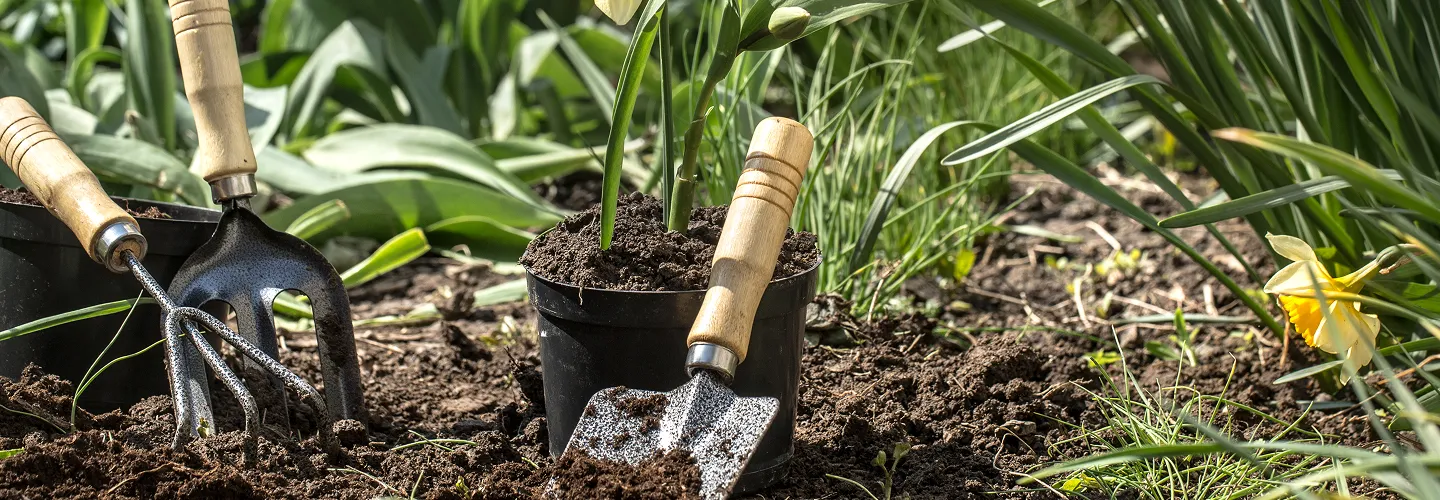
Eagle Pass Lawn Seeding Services
Choose our expert lawn seeding services for a lush, resilient yard—our proven methods ensure even growth, improved soil health, and a beautiful lawn that stands out in your neighborhood.
Get a Free QuoteOur Eagle Pass Landscaping & Yard Care Services
When to Schedule Lawn Seeding in Eagle Pass, Texas – Seasonal Guide
In Eagle Pass, Texas, timing your lawn seeding is crucial for achieving a lush, healthy yard that thrives in our unique climate. The best periods for seeding are typically early spring and early fall, when temperatures are moderate and rainfall is more predictable. These windows allow new grass to establish strong roots before the intense summer heat or occasional winter chills set in. Local neighborhoods like Loma Bonita and Seco Mines often see the best results when seeding is planned around the last frost date, which usually falls in late February or early March.
Environmental factors such as drought risk, high humidity, and the region’s clay-heavy soils play a significant role in determining the optimal seeding schedule. Areas near Maverick County Lake, for example, may experience higher humidity and shade coverage, affecting both seed selection and timing. It’s also important to consider municipal guidelines and resources, such as those provided by the City of Sudbury, to ensure compliance with local watering restrictions and best practices.
Local Factors to Consider for Lawn Seeding in Eagle Pass
- Tree density and shade coverage in your yard
- Soil composition, especially clay content
- Average precipitation and drought risk
- Proximity to landmarks like Maverick County Lake
- Terrain slope and drainage patterns
- Municipal watering restrictions and seasonal guidelines
Benefits of Lawn Seeding in Eagle Pass

Thicker, Healthier Lawns
Improved Curb Appeal
Enhanced Weed Resistance
Customized Grass Selection
Cost-Effective Lawn Solutions
Expert Local Knowledge

Eagle Pass Lawn Seeding Types

Bermuda Grass Seeding
Bermuda grass is ideal for sunny areas and provides a durable, lush lawn.
-
Fescue Grass Seeding
Fescue grass thrives in cooler climates and offers year-round green color.
-
Zoysia Grass Seeding
Zoysia grass is drought-tolerant and creates a dense, carpet-like lawn.
-
Ryegrass Seeding
Ryegrass is perfect for overseeding and delivers quick, vibrant growth.
-
Buffalo Grass Seeding
Buffalo grass is low-maintenance and well-suited for the Eagle Pass climate.
-
Centipede Grass Seeding
Centipede grass is a slow-growing, low-care option for residential lawns.
Our Lawn Seeding Process
Site Evaluation
Soil Preparation
Seed Selection
Seeding Application
Watering and Maintenance
Why Choose Eagle Pass Landscape Services

-
Eagle Pass Homeowners Trust Us
-
Reliable Lawn Maintenance
-
Competitive Pricing
-
Professional Team
-
Satisfaction Guarantee
-
Personalized Service
-
Timely Project Completion
Eagle Pass’s Vertisol and Mollisol Soils: Implications for Lawn Seeding Success
Eagle Pass is characterized by Vertisol and Mollisol soils, which are prevalent throughout the region according to the USDA Web Soil Survey. Vertisols, such as the Houston Black series, are heavy clay soils with high shrink-swell capacity, while Mollisols offer higher organic matter but can be compacted in urban settings. These soils typically have a pH range of 7.0-8.0, requiring careful selection of grass species and soil amendments. For optimal seed establishment, core aeration to a depth of 2-3 inches is recommended, and compost should be incorporated at 2-3 inches tilled to a 6-inch depth. Soil testing is available through Texas A&M AgriLife Extension for $15-25 per sample. Lime application is rarely needed, but sulfur may be used if pH exceeds 7.5. Proper soil preparation is essential for successful seeding outcomes in Eagle Pass’s unique soil environment.
Eagle Pass Public Works Department
100 S. Monroe St., Eagle Pass, TX 78852
Phone: (830) 773-9408
Official Website: Eagle Pass Public Works Department
Seasonal Timing and Climate Considerations for Lawn Seeding in Eagle Pass
Eagle Pass falls within USDA Hardiness Zone 9a, with average annual minimum temperatures of 20-25°F and a semi-arid climate. The optimal window for cool-season grass seeding is September 1 to October 15, when soil temperatures range from 65-75°F. Warm-season grasses, such as bermudagrass (Cynodon dactylon), should be seeded from April 1 to May 15, after the last frost and when soil temperatures exceed 65°F. Avoid seeding during June-August due to high heat and drought stress. The National Weather Service Austin/San Antonio Office provides up-to-date soil temperature and precipitation forecasts. For best results:
- Fall seeding: September 1 - October 15 (cool-season)
- Spring seeding: April 1 - May 15 (warm-season)
- Avoid: June-August (heat/drought stress)
- Monitor soil moisture and irrigate as needed during establishment
Municipal Coordination and Lawn Seeding Ordinances in Eagle Pass
Lawn seeding activities in Eagle Pass must comply with local ordinances regarding equipment operation, water use, and property maintenance. Equipment operation is permitted:
- Monday-Friday: 7:00 AM - 7:00 PM
- Saturday: 8:00 AM - 6:00 PM
- Sunday and holidays: Prohibited All seeding projects must avoid obstructing public sidewalks and drainage ways. Irrigation for new seedings is subject to city water conservation measures, which may restrict watering to designated days and times. Yard waste generated during site preparation must be disposed of in biodegradable bags or 32-gallon containers for Thursday curbside collection (April-November). Prohibited materials include plastic bags and branches over 4 inches in diameter. For questions on compliance, contact:
Eagle Pass Code Enforcement Department
100 S. Monroe St., Eagle Pass, TX 78852
Phone: (830) 773-9408
Official Website: Eagle Pass Code Enforcement Department
Environmental Compliance: Stormwater and Buffer Zone Requirements for Eagle Pass Lawns
Lawn seeding in Eagle Pass must adhere to stormwater management regulations under the Texas Water Code and the Clean Water Act. The city’s MS4 permit prohibits the discharge of grass clippings, fertilizer, or sediment into storm drains. Maintain a 25-foot no-disturbance buffer from wetlands and a 50-foot setback from the Rio Grande and other water bodies. Fertilizer application is not permitted within 50 feet of water features. Residents are encouraged to use native or drought-tolerant species to reduce runoff and chemical use. For further guidance, consult:
Texas Commission on Environmental Quality
12100 Park 35 Circle, Austin, TX 78753
Phone: (512) 239-1000
Official Website: Texas Commission on Environmental Quality
Professional Standards and Safety Protocols for Lawn Seeding in Eagle Pass
All lawn seeding operations in Eagle Pass must follow professional safety and equipment standards. Operators are required to use commercial-grade seeders and aerators, with blade sharpening every 20-25 hours of use. Personal protective equipment (PPE) is mandatory:
- Eye protection: ANSI Z87.1 safety glasses
- Hearing protection: Earmuffs or plugs for 85+ dB noise
- Footwear: Steel-toed boots, non-slip soles
- Gloves: Cut-resistant for equipment handling Maintain a 15-foot clearance from overhead power lines and mark all underground utilities before soil disturbance. For large-scale projects, traffic control measures must be implemented when working near public roads. The Eagle Pass Engineering Department provides technical guidance for projects impacting public infrastructure.
Eagle Pass Engineering Department
100 S. Monroe St., Eagle Pass, TX 78852
Phone: (830) 773-9408
Official Website: Eagle Pass Engineering Department
What Neighborhoods Do We Serve Throughout Eagle Pass, TX?
- Las Quintas Fronterizas: Features newer developments with compacted soils and moderate drainage, requiring thorough aeration and soil amendment for successful seeding.
- Seco Mines: Characterized by older lots with mature trees, heavy clay soils, and occasional flooding, necessitating careful species selection and attention to drainage.
- Loma Bonita: Contains sloped lots and proximity to the Rio Grande, where buffer zone compliance and erosion control are critical during seeding projects.
- Buena Vista: Offers larger lots with mixed soil types and occasional access limitations, making equipment selection and timing especially important.
- Chula Vista: Includes areas with high-density housing and HOA landscaping standards, requiring adherence to community guidelines and noise ordinances.
- Hillcrest: Located near city parks and conservation areas, with sandy loam soils and increased wildlife activity, influencing seed choice and maintenance practices.
- Downtown District: Features historic properties, narrow streets, and utility access constraints, demanding careful planning for equipment staging and compliance with city ordinances.