
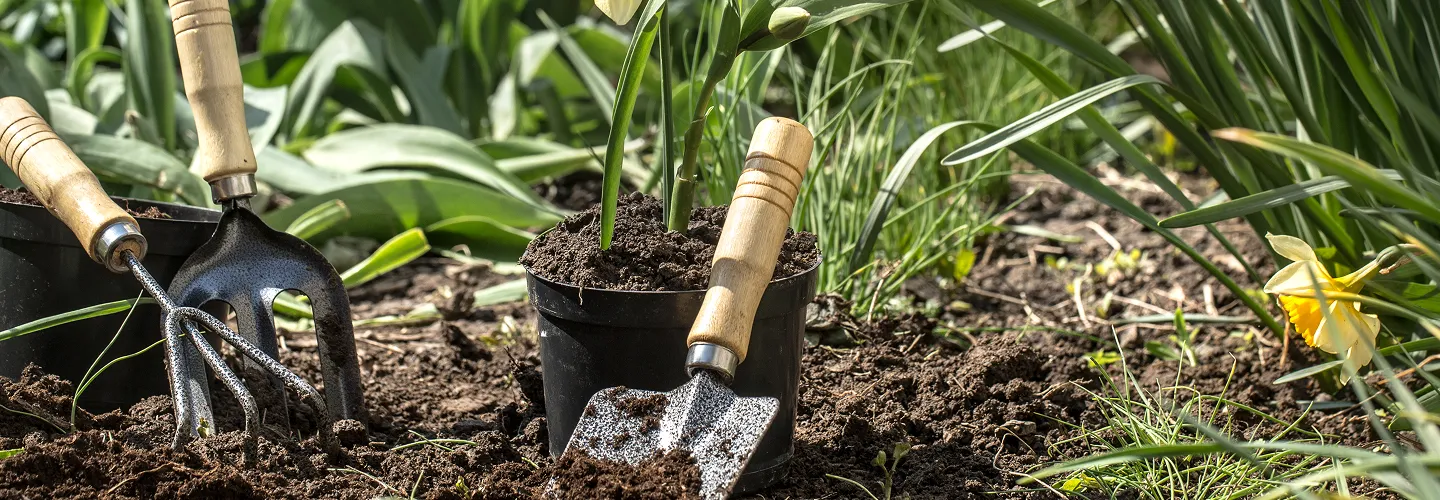
Eagle Pass Dethatching Lawn Services
Choose our dethatching lawn services for a healthier, greener yard—our experienced team removes built-up thatch to promote stronger roots, better water absorption, and a lush, vibrant lawn you’ll love.
Get a Free QuoteOur Eagle Pass Landscaping & Yard Care Services
When to Schedule Dethatching Lawn in Eagle Pass, Texas – Seasonal Guide
In Eagle Pass, Texas, the best time to schedule dethatching for your lawn is typically in late spring or early fall. These periods offer the most favorable conditions for grass recovery, as temperatures are moderate and rainfall is more predictable. The unique climate of Eagle Pass—characterized by hot, dry summers and mild winters—means that dethatching during the peak heat or just before the first frost can stress your turf. Neighborhoods near Shelby Park or along the Rio Grande may experience slightly different microclimates, so it's important to consider your specific location.
Local environmental factors such as soil composition, shade from mature mesquite trees, and the risk of drought all play a role in determining the optimal dethatching schedule. For example, areas with heavy clay soils or dense tree coverage may require more frequent attention. Additionally, be aware of any municipal watering restrictions, which can impact post-dethatching recovery. For more information on local regulations and best practices, visit the City of Sudbury's resource page.
Local Factors to Consider for Dethatching Lawn in Eagle Pass
- Tree density and shade coverage, especially in neighborhoods like Loma Bonita
- Soil type (clay vs. sandy loam) and drainage
- Seasonal precipitation patterns and drought risk
- Proximity to the Rio Grande and flood-prone areas
- Municipal watering restrictions and local ordinances
- Recent frost dates and expected temperature swings
Benefits of Dethatching Lawn in Eagle Pass
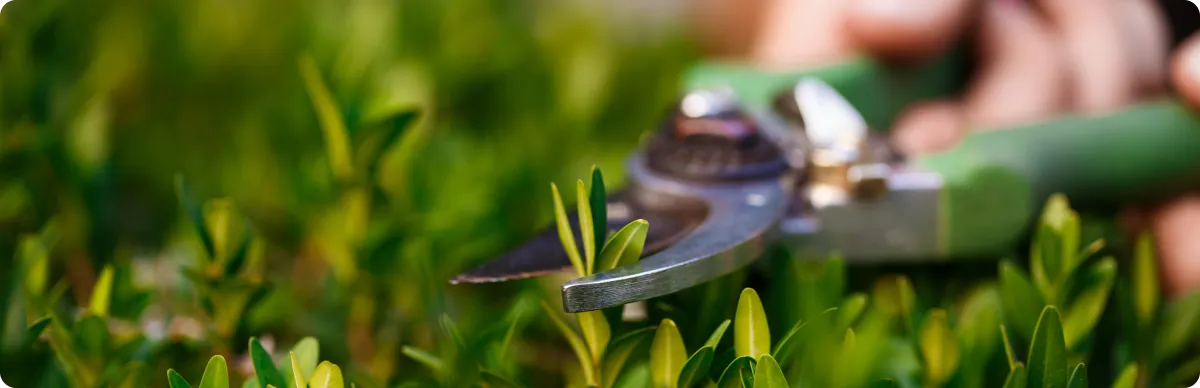
Improved Lawn Health
Enhanced Water Absorption
Boosted Grass Growth
Reduced Pest Problems
Increased Curb Appeal
Professional Landscaping Expertise
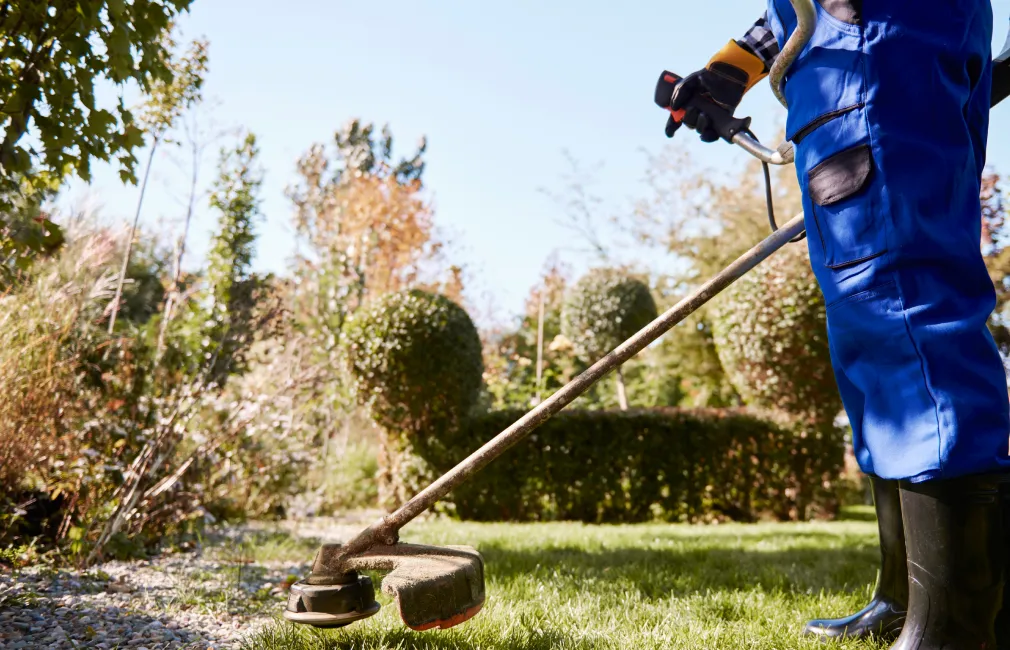
Eagle Pass Dethatching Lawn Types

Bermuda Grass Dethatching
-
St. Augustine Grass Dethatching
-
Zoysia Grass Dethatching
-
Buffalo Grass Dethatching
-
Fescue Grass Dethatching
-
Ryegrass Dethatching
-
Bluegrass Dethatching
Our Dethatching Lawn Process
Lawn Evaluation
Thatch Depth Measurement
Dethatching Equipment Setup
Thatch Removal
Cleanup and Disposal
Why Choose Eagle Pass Landscape Services
-
Eagle Pass Homeowners Trust Us
-
Reliable Lawn Maintenance
-
Competitive Pricing
-
Professional Team
-
Satisfaction Guarantee
-
Personalized Service
-
Timely Project Completion
Eagle Pass’s Expansive Clay Soils and Dethatching Best Practices
Eagle Pass lawns are predominantly established on Vertisols and Mollisols, including the Houston Black and Del Rio clay series, as identified by the USDA Web Soil Survey. These soils are characterized by high clay content, alkaline pH (7.5–8.2), and poor drainage, which can lead to excessive thatch accumulation and compaction. Dethatching in these conditions requires specialized equipment, such as vertical mowers set to penetrate 0.5–1 inch, and may necessitate multiple passes for effective removal. Soil testing is recommended prior to dethatching, with services available through Texas A&M AgriLife Extension, to determine organic matter content and pH adjustment needs. Compost incorporation (2–3 inches tilled to 6-inch depth) is advised post-dethatching to improve structure. Avoid dethatching when soils are saturated to prevent rutting and further compaction.
Municipal Coordination for Dethatching Debris Disposal in Eagle Pass
Proper disposal of dethatching debris is regulated by the City of Eagle Pass. Yard waste, including thatch and grass clippings, is collected weekly on Thursdays from April through November. Residents must use biodegradable paper bags or reusable bins (32-gallon maximum); plastic bags and branches over 4 inches in diameter are prohibited. Debris should be placed curbside by 7:00 AM on collection day. For large volumes, the city transfer station accepts yard waste during posted hours. Compliance with these procedures prevents storm drain blockages and supports MS4 permit requirements under the Clean Water Act. For detailed collection schedules and disposal guidelines:
Eagle Pass Public Works Department
100 S. Monroe St., Eagle Pass, TX 78852
Phone: (830) 773-9408
Official Website: Eagle Pass Public Works Department
Seasonal Timing and Climate Considerations for Dethatching Lawns in Eagle Pass
Eagle Pass is located in USDA Hardiness Zone 9a, with hot summers, mild winters, and average annual rainfall of 21 inches. Optimal dethatching windows are late February to early March and late September to mid-October, when soil temperatures range from 60–75°F and turfgrass is actively growing. Avoid dethatching during peak summer (June–August) to reduce heat stress and in winter when grass is dormant. The National Weather Service Austin/San Antonio Office provides up-to-date forecasts to help schedule operations around rainfall events. Recommended timing guidelines:
- Spring dethatching: February 20 – March 15
- Fall dethatching: September 15 – October 15
- Avoid: June–August (heat), December–January (dormancy) Monitor soil moisture and delay work if heavy rain is forecast to prevent soil compaction and turf damage.
Environmental Compliance and Stormwater Protection in Eagle Pass Dethatching
Dethatching activities must comply with local and state environmental regulations to protect the Rio Grande and nearby wetlands. The Texas Water Code and Texas Commission on Environmental Quality (TCEQ) require that no yard waste or thatch enters storm drains, as this can contribute to nutrient pollution and MS4 violations. Maintain a 25-foot buffer from wetlands and water bodies when dethatching, and never dispose of debris in drainage ditches. Eagle Pass’s MS4 permit prohibits the discharge of organic material into the municipal stormwater system. For further guidance on environmental compliance:
Texas Commission on Environmental Quality
12100 Park 35 Circle, Austin, TX 78753
Phone: (512) 239-1000
Official Website: Texas Commission on Environmental Quality
Equipment Operation Hours and Safety Standards for Dethatching in Eagle Pass
The City of Eagle Pass enforces noise and equipment operation ordinances to minimize disturbance. Permitted hours for powered dethatching equipment are:
- Monday–Friday: 7:00 AM – 7:00 PM
- Saturday: 8:00 AM – 6:00 PM
- Sunday and holidays: Prohibited Operators must use commercial-grade dethatchers with functioning mufflers, and noise levels should not exceed 85 decibels at property lines. All personnel are required to wear ANSI Z87.1 safety glasses, hearing protection for equipment over 85 dB, steel-toed boots, and high-visibility vests when working near public streets. Maintain a 15-foot clearance from overhead utilities and public sidewalks. For ordinance details and safety protocols:
Eagle Pass Code Enforcement Department
100 S. Monroe St., Eagle Pass, TX 78852
Phone: (830) 773-9408
Official Website: Eagle Pass Code Enforcement Department
What Neighborhoods Do We Serve Throughout Eagle Pass, TX?
- Las Quintas Fronterizas: Features expansive clay soils with moderate drainage and newer residential development, requiring careful dethatching to avoid compaction and to manage runoff toward nearby drainage channels.
- Seco Mines: Characterized by older homes, compacted soils, and mature trees, which contribute to heavy thatch buildup and increased debris volume during maintenance.
- Buena Vista: Located near the Rio Grande, this area has floodplain soils and periodic high water tables, necessitating strict adherence to buffer zones and debris containment to protect water quality.
- Loma Bonita: Suburban neighborhood with mixed soil textures and moderate slopes, where dethatching must account for variable drainage and potential erosion on inclines.
- Chula Vista: Densely developed with smaller lots and limited equipment access, requiring manual dethatching methods and compliance with strict noise ordinances.
- Hillcrest: Elevated terrain with caliche subsoils and rapid drainage, making timing critical to avoid drought stress after dethatching.
- Downtown Eagle Pass: Historic district with compacted urban soils, narrow streets, and proximity to public infrastructure, demanding careful scheduling and coordination with city departments for debris removal and safety compliance.