
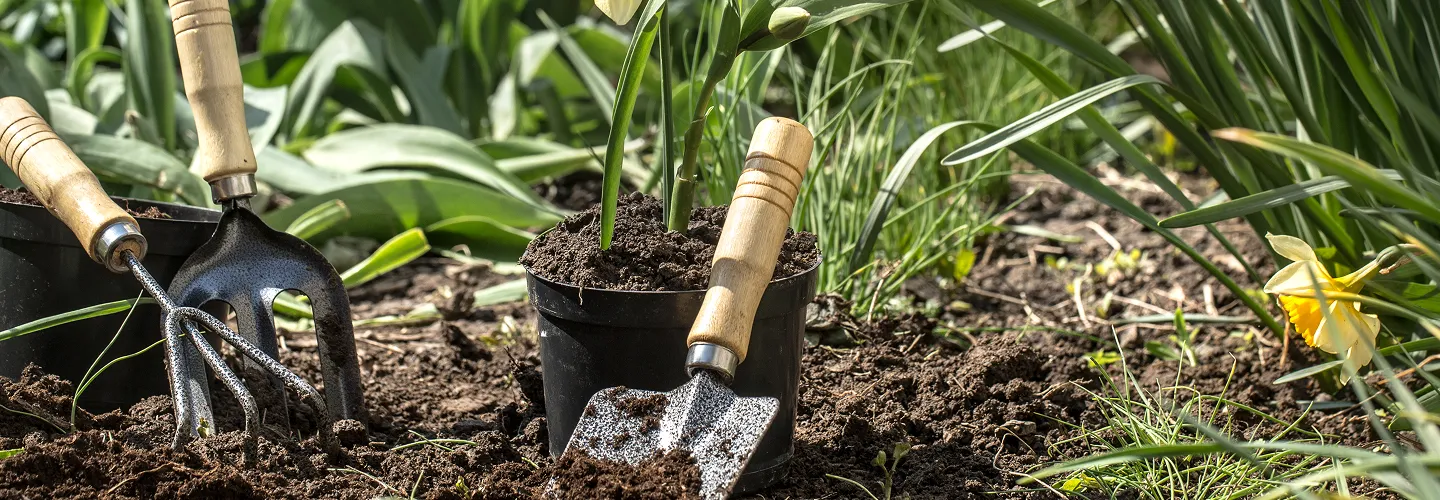
Eagle Pass Flower Planting Services
Choose our flower planting services for expert design, healthy plants, and vibrant color that lasts all season—making your landscape the envy of the neighborhood.
Get a Free QuoteOur Eagle Pass Landscaping & Yard Care Services
When to Schedule Flower Planting in Eagle Pass, Texas – Seasonal Guide
In Eagle Pass, Texas, the best times for flower planting are typically in early spring and late fall, when temperatures are moderate and the risk of frost has passed. The local climate is characterized by hot summers, mild winters, and occasional drought conditions, making it essential to plan your planting schedule around these seasonal patterns. Neighborhoods near Shelby Park and the Rio Grande experience unique microclimates, with river proximity offering slightly cooler temperatures and increased humidity, which can benefit certain flower varieties.
Soil composition in Eagle Pass often ranges from sandy loam to clay, affecting drainage and nutrient availability. Homeowners in areas like Loma Bonita or Seco Mines should consider soil amendments to optimize flower growth. Additionally, local environmental factors such as late spring frosts, summer heatwaves, and municipal watering restrictions can all impact the success of your planting. For more detailed local guidelines, consult resources like the Sudbury municipal site.
Local Factors to Consider for Flower Planting in Eagle Pass
- Proximity to the Rio Grande and its effect on humidity and soil moisture
- Tree density and shade coverage in neighborhoods like Loma Bonita
- Soil type variations (sandy, loamy, or clay) across different parts of the city
- Average precipitation and drought risk during summer months
- Terrain elevation and drainage, especially near Shelby Park
- Municipal watering schedules and restrictions
Benefits of Flower Planting in Eagle Pass
Enhanced Curb Appeal
Increased Property Value
Expert Plant Selection
Seasonal Color Variety
Low Maintenance Solutions
Eco-Friendly Landscaping

Eagle Pass Flower Planting Types

Annual Flower Planting
-
Perennial Flower Beds
-
Native Wildflower Gardens
-
Seasonal Color Rotations
-
Pollinator-Friendly Plantings
-
Shade Garden Flowers
-
Drought-Tolerant Flower Selections
Our Flower Planting Process
Site Evaluation
Soil Preparation
Plant Selection
Careful Planting
Watering and Mulching
Why Choose Eagle Pass Landscape Services
-
Eagle Pass Homeowners Trust Us
-
Reliable Lawn Maintenance
-
Competitive Pricing
-
Professional Team
-
Satisfaction Guarantee
-
Personalized Service
-
Timely Project Completion
Soil Series and Drainage Considerations for Flower Planting in Eagle Pass
Eagle Pass is characterized by Vertisols and Mollisols, including the Houston Black clay and Delmita clay loam series, which are known for their high clay content and moderate to poor drainage. These soils typically exhibit pH values ranging from 7.2 to 8.0, requiring careful selection of flower species and soil amendments. For optimal establishment, incorporate 2-3 inches of compost tilled to a 6-inch depth and consider gypsum to improve structure in heavy clay. Soil testing is recommended through Texas A&M AgriLife Extension (typical cost: $15-25). Avoid planting in areas with standing water or compacted fill. For detailed soil mapping, consult the USDA Web Soil Survey.
Eagle Pass Public Works Department
100 S. Monroe St., Eagle Pass, TX 78852
Phone: (830) 773-9408
Official Website: Eagle Pass Public Works Department
Seasonal Timing and Climate Zone Guidance for Eagle Pass Flower Planting
Eagle Pass falls within USDA Hardiness Zone 9a, with average annual minimum temperatures of 20-25°F. The optimal window for planting most annual and perennial flowers is February 15 to April 15, when soil temperatures reach 55-65°F. Fall planting is also feasible from October 1 to November 15 for hardy perennials. Avoid planting during peak summer (June-August) due to high temperatures and drought stress. Monitor local weather forecasts via the National Weather Service Austin/San Antonio Office for frost advisories and rainfall patterns. Key timing recommendations:
- Spring planting: February 15 – April 15 (soil temp 55-65°F)
- Fall planting: October 1 – November 15
- Avoid: June-August (heat/drought risk)
- Water new plantings 1-2 inches per week during establishment
Eagle Pass Municipal Regulations and Permit Requirements for Landscape Planting
Flower planting projects in Eagle Pass must comply with local ordinances regarding property setbacks, right-of-way encroachments, and protected area buffers. Planting within 10 feet of public sidewalks or utilities requires review by the Planning and Zoning Commission. For projects exceeding 500 sq ft or involving irrigation installation, a permit is required with a $50 application fee and a 7-10 business day review period. Maintain a 25-foot buffer from wetlands and drainage ditches per city code. Equipment operation is permitted:
- Monday-Friday: 7:00 AM – 7:00 PM
- Saturday: 8:00 AM – 6:00 PM
- Sunday/Holidays: Prohibited
Eagle Pass Planning and Zoning Commission
100 S. Monroe St., Eagle Pass, TX 78852
Phone: (830) 773-9408
Official Website: Eagle Pass Planning and Zoning Commission
Environmental Compliance: Stormwater, Buffer Zones, and State Law in Eagle Pass
All flower planting activities must adhere to the Texas Water Code and the city’s MS4 stormwater permit, which prohibits soil, mulch, or plant debris from entering storm drains. Maintain a 25-foot no-disturbance buffer from wetlands and a 50-foot setback from the Rio Grande and other water bodies. Fertilizer and pesticide applications are restricted within 50 feet of water features. The Texas Commission on Environmental Quality oversees state-level compliance, while the Clean Water Act governs federal requirements. For additional guidance, consult EPA Region 6.
- No debris in storm drains (MS4 compliance)
- 25-foot wetland buffer
- 50-foot water body setback
- No fertilizer/pesticide within 50 feet of water
Recommended Flower Species and Planting Methods for Eagle Pass Conditions
Given Eagle Pass’s alkaline, clay-rich soils and hot, semi-arid climate, select species with proven tolerance to local conditions. Recommended options include:
- Full sun: Black-eyed Susan (Rudbeckia hirta), lantana (Lantana camara), Mexican bush sage (Salvia leucantha)
- Partial shade: Turk’s cap (Malvaviscus arboreus), columbine (Aquilegia chrysantha)
- Drought-tolerant: Autumn sage (Salvia greggii), purple coneflower (Echinacea purpurea)
- Native options: Winecup (Callirhoe involucrata), Texas bluebonnet (Lupinus texensis) Plant in groups spaced 12-18 inches apart for coverage and weed suppression. Mulch with 2-3 inches of organic material to conserve moisture and moderate soil temperature. For further plant selection and diagnostic support, refer to Texas A&M AgriLife Extension.
What Neighborhoods Do We Serve Throughout Eagle Pass, TX?
- Loma Bonita: Features compacted clay soils and moderate drainage, requiring soil amendment and careful irrigation management for successful flower establishment.
- Las Quintas Fronterizas: Newer development with improved drainage infrastructure but limited mature shade, favoring sun-loving, drought-tolerant species.
- Buena Vista: Proximity to the Rio Grande floodplain necessitates attention to flood risk, buffer zones, and compliance with wetland setback requirements.
- Seco Mines: Older neighborhood with variable fill soils and potential for debris accumulation; regular soil testing and debris management are recommended.
- Chula Vista: Larger lots and mature landscaping present opportunities for diverse perennial plantings but may require coordination with HOA guidelines.
- Fort Duncan Area: Near city parks and historic sites, this area has higher foot traffic and public visibility, emphasizing the need for compliance with municipal planting standards and maintenance schedules.
- Hillcrest: Elevated terrain with moderate slopes and occasional runoff challenges, requiring erosion control measures and strategic plant placement.