
Eagle Pass Hedging Services
Choose our professional hedging services for expertly shaped, healthy, and beautiful hedges that enhance your property's curb appeal, provide privacy, and require minimal maintenance year-round.
Get a Free QuoteOur Eagle Pass Landscaping & Yard Care Services
When to Schedule Hedging in Eagle Pass, Texas – Seasonal Guide
In Eagle Pass, Texas, the best times to schedule hedging are typically late winter through early spring and again in late summer. These periods align with the region’s unique climate, which features mild winters, hot summers, and occasional drought conditions. By timing your hedging before the intense summer heat or after the last frost, you help ensure healthy regrowth and minimize plant stress. Neighborhoods near Shelby Park and along the Rio Grande often experience microclimates, so it’s important to consider your property’s specific exposure to sun, shade, and wind.
Local environmental factors such as the average last frost date in early March, the risk of summer drought, and the clay-heavy soils common in subdivisions like Loma Bonita all play a role in determining the optimal hedging schedule. Additionally, municipal guidelines and water restrictions—sometimes updated on the city’s official website—can influence when and how often you can perform landscape maintenance. Consulting with a local expert ensures your hedging is both effective and compliant with Eagle Pass regulations.
Local Factors to Consider for Hedging in Eagle Pass
- Tree and shrub density on your property
- Terrain variations, especially near the Maverick County Lake area
- Seasonal precipitation patterns and drought risk
- Soil type (clay, loam, or sandy soils)
- Shade coverage from mature trees or nearby structures
- Municipal restrictions or neighborhood association guidelines
Benefits of Hedging in Eagle Pass
Enhanced Curb Appeal
Improved Property Value
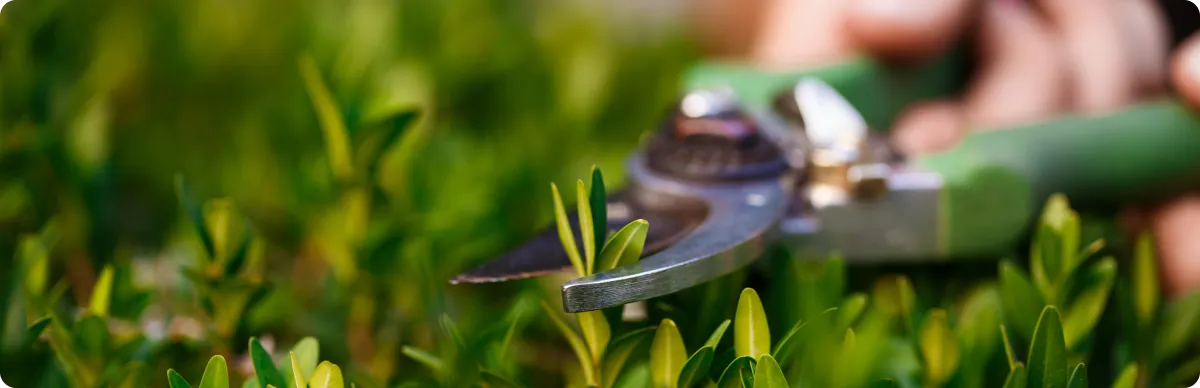
Professional Hedge Shaping
Year-Round Landscape Health
Pest and Disease Prevention
Customized Maintenance Plans
Eagle Pass Hedging Types

Boxwood Hedges
-
Privet Hedges
-
Holly Hedges
-
Yew Hedges
-
Arborvitae Hedges
-
Laurel Hedges
-
Photinia Hedges
Our Hedging Process
Consultation and Planning
Site Preparation
Precision Trimming
Cleanup and Inspection
Why Choose Eagle Pass Landscape Services
-
Eagle Pass Homeowners Trust Us
-
Reliable Lawn Maintenance
-
Competitive Pricing
-
Professional Team
-
Satisfaction Guarantee
-
Personalized Service
-
Timely Project Completion
Hedging Practices and Soil Conditions in Eagle Pass’s Blackland Prairie
Hedging in Eagle Pass requires careful consideration of the city’s predominant soil types, which include Vertisols and Mollisols, particularly the Houston Black clay series. These soils are characterized by high clay content, poor drainage, and a tendency to compact, which can impact root development and hedge health. Soil pH in the area typically ranges from 7.5 to 8.2, making it alkaline and requiring species selection and amendments for optimal growth. Recommended practices include:
- Incorporating 2-3 inches of compost tilled to a 6-inch depth
- Conducting soil tests through Texas A&M AgriLife Extension (typical cost: $15-25)
- Applying sulfur to lower pH if above 7.5
- Selecting hedge species tolerant of heavy clay and alkaline conditions Research local soil series using the USDA Web Soil Survey for site-specific recommendations. Proper soil preparation is essential for establishing resilient, healthy hedges in Eagle Pass’s unique environment.
Municipal Ordinances and Hedging Height Restrictions in Eagle Pass
Eagle Pass enforces specific municipal codes regarding hedge placement, height, and maintenance to ensure public safety and neighborhood aesthetics. According to city ordinance, hedges in front yards must not exceed 36 inches in height within 25 feet of street intersections to maintain clear sightlines. Side and rear yard hedges may reach up to 72 inches, provided they do not obstruct sidewalks or public rights-of-way. Key compliance steps include:
- Maintaining a 25-foot setback from street corners
- Keeping hedges trimmed below 36 inches in designated areas
- Ensuring no encroachment onto public sidewalks
- Disposing of trimmings in biodegradable bags or 32-gallon containers Violations may result in fines or abatement actions by code enforcement. For detailed ordinance language and enforcement procedures, consult the city’s code enforcement office.
Eagle Pass Code Enforcement Department
100 S Monroe St, Eagle Pass, TX 78852
Phone: (830) 773-9408
Official Website: Eagle Pass Code Enforcement Department
Environmental Compliance: Stormwater and Buffer Zones for Hedging in Eagle Pass
Hedging activities in Eagle Pass must comply with local and state environmental regulations to protect water quality and sensitive habitats. The city’s MS4 permit, regulated under the Clean Water Act and enforced by the Texas Commission on Environmental Quality, prohibits the disposal of hedge clippings or soil into storm drains. Properties adjacent to wetlands, creeks, or the Rio Grande must maintain a 25-foot no-disturbance buffer, with no fertilizer or pesticide application within this zone. Compliance steps include:
- Collecting all hedge debris for proper disposal
- Avoiding chemical use within 25 feet of water bodies
- Scheduling work to prevent runoff during rain events
- Using only approved products for pest and weed control For further guidance, refer to the Texas Water Code and consult with the city’s public works department.
Eagle Pass Public Works Department
100 S Monroe St, Eagle Pass, TX 78852
Phone: (830) 773-9408
Official Website: Eagle Pass Public Works Department
Texas Commission on Environmental Quality
12100 Park 35 Circle, Austin, TX 78753
Official Website: Texas Commission on Environmental Quality
Equipment Operation Hours and Safety Standards for Hedging in Eagle Pass
The City of Eagle Pass regulates equipment operation hours for hedging and landscaping to minimize noise and ensure public safety. Permitted hours for powered hedge trimmers and related equipment are:
- Monday-Friday: 7:00 AM - 7:00 PM
- Saturday: 8:00 AM - 6:00 PM
- Sunday and holidays: Prohibited Operators must use commercial-grade equipment with functioning mufflers, and noise levels must not exceed 85 decibels at property lines. Safety protocols require:
- ANSI Z87.1 safety glasses
- Hearing protection for equipment over 85 dB
- Steel-toed boots and cut-resistant gloves
- Maintaining a 15-foot clearance from overhead utilities All personnel working within 50 feet of public roads must wear high-visibility vests. For additional safety and compliance information, contact the city’s public works department.
Eagle Pass Public Works Department
100 S Monroe St, Eagle Pass, TX 78852
Phone: (830) 773-9408
Official Website: Eagle Pass Public Works Department
Plant Selection and Spacing for Hedging Success in Eagle Pass’s Climate Zone 9a
Eagle Pass is located in USDA Hardiness Zone 9a, with hot summers, mild winters, and periodic drought conditions. Selecting hedge species adapted to these conditions is critical for long-term success. Recommended species include:
- Texas sage (Leucophyllum frutescens)
- Yaupon holly (Ilex vomitoria)
- Wax myrtle (Morella cerifera)
- Agarita (Mahonia trifoliolata)
- Dwarf burford holly (Ilex cornuta ‘Burfordii’) Plant hedges 18-24 inches apart for dense coverage and allow for mature width to prevent overcrowding. Mulch with 2-3 inches of organic material to conserve moisture and suppress weeds. For detailed plant selection and care guides, consult Texas A&M AgriLife Extension. Soil moisture should be monitored, especially during summer months, and supplemental irrigation provided as needed.
What Neighborhoods Do We Serve Throughout Eagle Pass, TX?
- Loma Bonita: Characterized by expansive clay soils and moderate drainage, requiring careful soil amendment and species selection for successful hedge establishment.
- Las Quintas Fronterizas: Features newer developments with compacted fill soils and smaller lot sizes, necessitating attention to root space and compliance with setback regulations.
- Buena Vista: Contains mature landscaping and established tree canopies, presenting challenges for sunlight access and hedge density.
- Seco Mines: Located near the Rio Grande, this area has higher water tables and proximity to sensitive riparian zones, requiring strict adherence to buffer and environmental regulations.
- Chula Vista: Known for sloped lots and variable drainage, making erosion control and proper hedge placement essential for stability and compliance.
- Hillcrest: Features larger lots and established neighborhoods, with a mix of native and ornamental plantings, allowing for greater flexibility in hedge species and design.
- Fort Duncan Area: Adjacent to city parks and historic sites, this district requires coordination with municipal departments for compliance with public space and visibility standards.